What Affects Solar Panel Power Generation?
Last reviewed and updated:
Two identical solar systems on two different roofs can produce noticeably different amounts of electricity. Understanding the factors at play helps you set realistic expectations, judge a quote's generation estimate, and get the best from your own system. Here are the things that genuinely move the needle.
Roof direction (orientation)
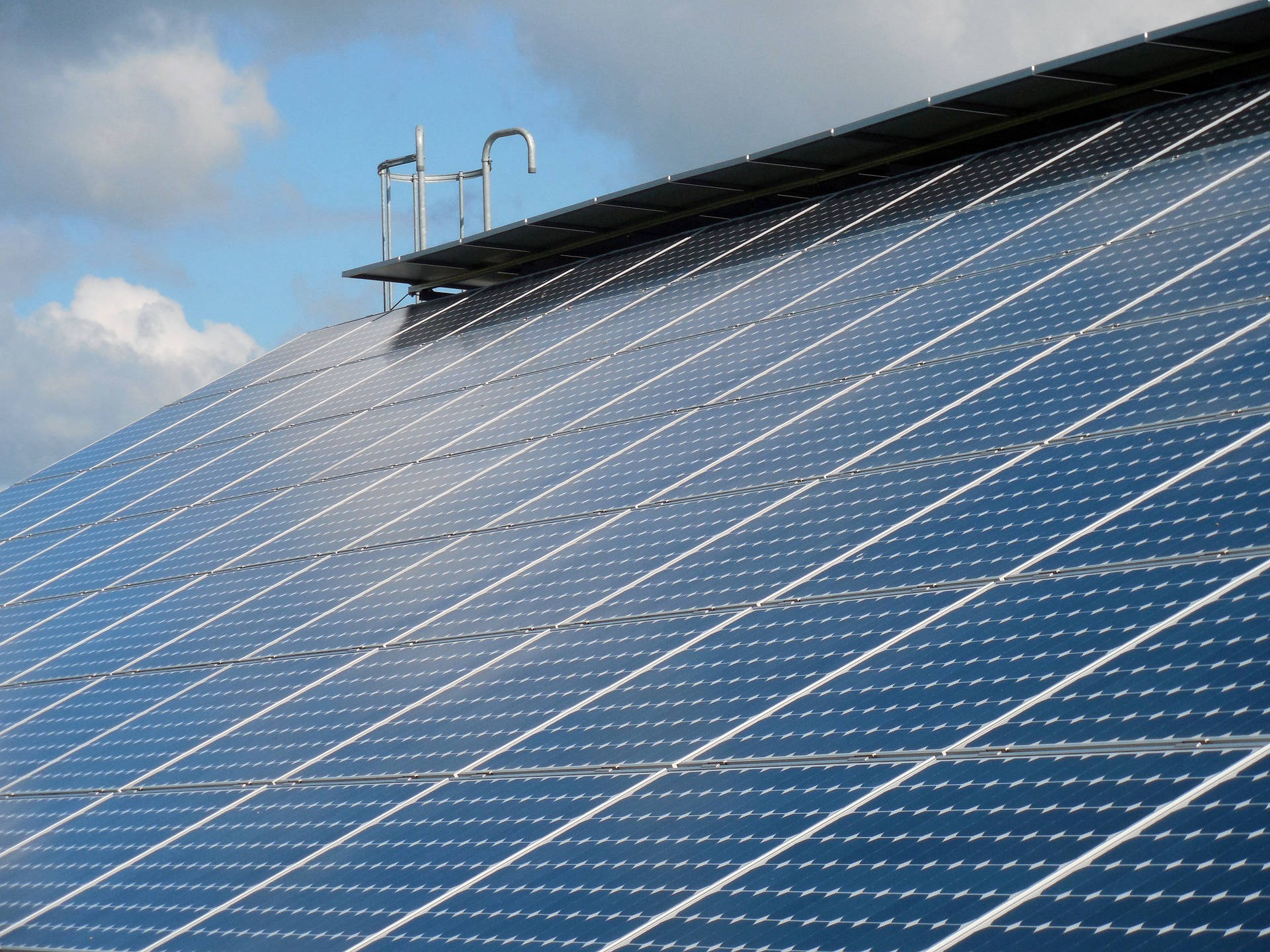
Because the sun tracks across the southern sky, a south-facing roof captures the most daylight and generates the most over a year. East and west-facing roofs produce around 15% less, which is still well worthwhile, while a north-facing slope generates too little to justify on its own. Importantly, an east-west split spreads generation across the morning and afternoon, which can suit households that use power at the start and end of the day. See does my roof need to face south.
Roof pitch (angle)
The tilt of your roof affects how directly daylight strikes the panels. For UK latitudes, a pitch of roughly 30 to 40 degrees is close to ideal, which conveniently matches many British homes. Shallower or steeper pitches lose a little output but remain perfectly usable, and on flat roofs panels are mounted on angled frames to achieve a good tilt.
Shading
Shading is the most underestimated factor of all. Because panels are usually wired in strings, shade on one panel can reduce the output of several, so a chimney, tree or neighbouring building can cost more generation than its size suggests. Optimisers and micro-inverters largely solve this by letting each panel work independently. A proper shading survey is essential to a realistic generation estimate. See what is shading.
Season and daylight
Output follows the seasons: low in winter when days are short and the sun is low, peaking across the long days of summer. This is the single biggest source of variation through the year, and it is why systems are sized around the annual total rather than any one month. Cloud reduces output on a given day but never to zero, and bright and dull days average out over the year. See solar in cold weather and daylight hours.
Temperature
Counter-intuitively, heat slightly reduces efficiency. Panels are rated at a standard temperature and lose a little output as they get hot, which is why a bright, cool day can be more productive than a sweltering one. Cold, in other words, is mildly helpful — the limiting factor in winter is daylight, not temperature.
Panel and inverter quality
Better panels convert more of the available light and degrade more slowly over time, so over 25 years a quality system out-generates a budget one on the same roof. The inverter matters too: an efficient, reliable inverter loses less energy in conversion and is less likely to fail early. This is why the cheapest quote can quietly cost you generation for decades. See cheap solar panels.
Maintenance and cleanliness
Dirt, moss, leaves and bird droppings on the glass reduce the light reaching the cells. UK rain keeps panels reasonably clean, but an occasional professional clean — particularly on shallow-pitched roofs where rain runs off less effectively — can restore lost output. Keeping the inverter healthy and addressing any fault promptly also protects your generation. Monitoring your system lets you spot a drop early.
System size and design
Finally, the system itself: more kilowatts-peak of panels generate more electricity, and a thoughtful design — placing panels in the best positions, grouping strings sensibly, choosing the right inverter technology — extracts more from a given roof than a crude one. This is where a good installer adds real value over a box-ticking one.
The bottom line
Solar generation is shaped by orientation, pitch, shading, season, temperature, component quality, cleanliness and design. Most are fixed by your roof and the system you choose, but several — shading mitigation, quality components, cleaning and good design — are within your control. The reliable way to know what your roof will produce is a proper survey that weighs all these factors together and gives you a realistic annual figure.
How installers estimate your annual yield
A credible generation estimate is not plucked from the air. Installers combine your roof's orientation and pitch, the local solar irradiance for your postcode, the shading analysis, and the rated output of the proposed panels to model an expected annual figure in kilowatt-hours. Reputable estimates are realistic rather than flattering, and they account for the inevitable losses — shading, temperature, inverter conversion and gradual degradation. When comparing quotes, line up these annual figures: an outlier that is much higher than the others, for a similar system on the same roof, deserves a hard question about how it was calculated.
What you can influence after installation
While most factors are fixed by your roof and the system you choose, a few remain in your hands once the panels are up. Keeping the glass clean — especially on shallow-pitched roofs where rain runs off less effectively — preserves output, as does addressing any fault promptly rather than letting an underperforming panel or ailing inverter drag on. Monitoring your system, through the app most modern installations provide, lets you spot a drop early and act on it. Small attention of this kind protects the generation you paid for and keeps the system delivering close to its potential year after year.
The bottom line
Generation is the product of many factors working together, most fixed by your roof and your choice of system, a few within your ongoing control. The single most reliable step is a proper survey that weighs orientation, pitch, shading, components and design into one realistic annual figure — and treats that figure honestly rather than optimistically. Armed with it, you can compare quotes meaningfully and set expectations you will actually meet, which is the foundation of being satisfied with your system for the long run.
Once your system is running, the monitoring app most installers provide is your friend. A glance now and then confirms the panels are performing as estimated, and lets you catch any dip — from a fault, soiling or shading you had not noticed — before it quietly costs you a season's generation.