Do Solar Panels Only Generate Electricity in Daylight Hours?
Last reviewed and updated:
Solar panels generate electricity from daylight, so naturally they produce during the day and not at night. But that simple fact raises sensible questions: what happens after dark, how do you power your home in the evening, and can you ever use solar energy when the sun is down? The answers are more encouraging than they first appear.
Generation follows the daylight
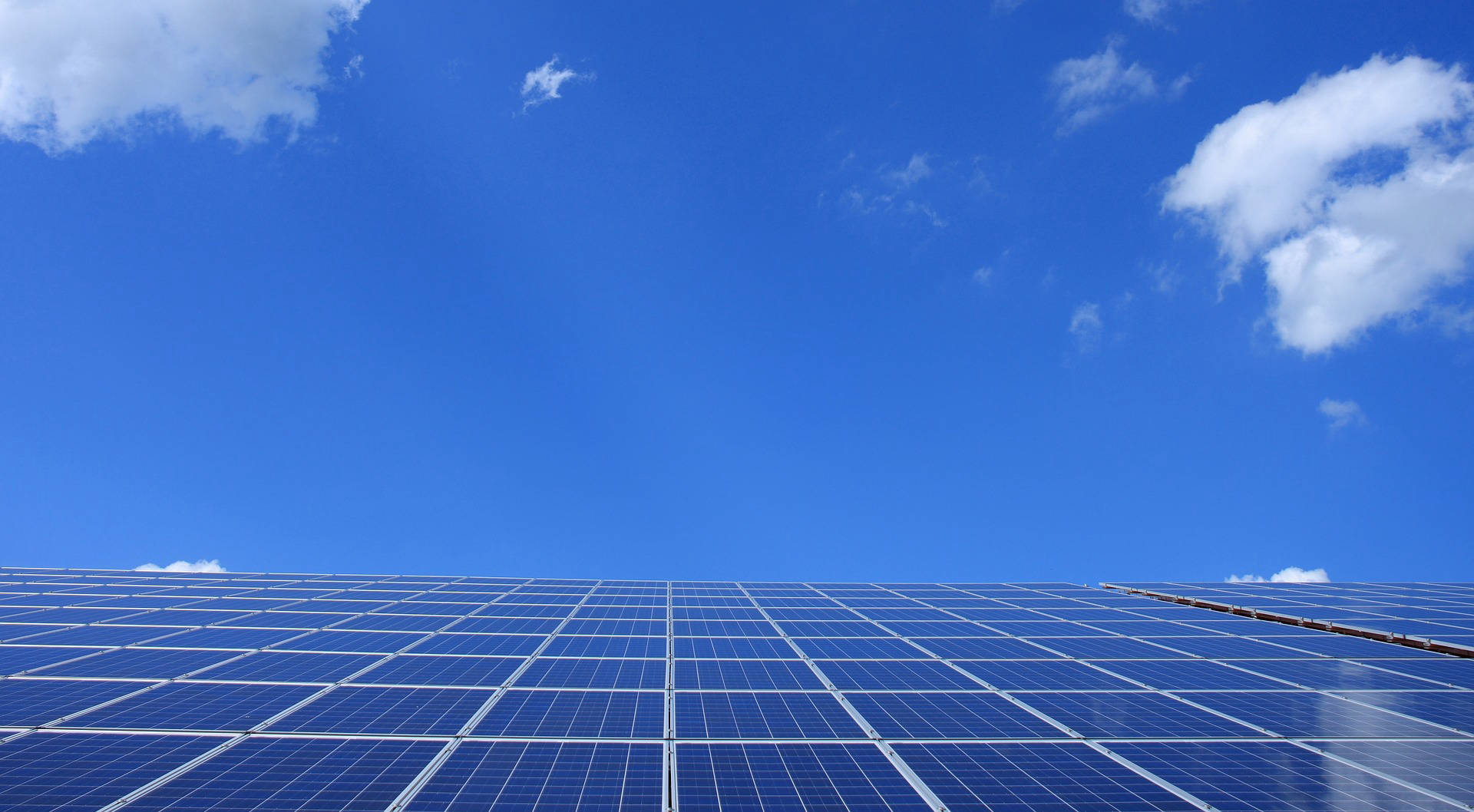
Your panels begin generating as light grows after dawn, ramp up through the morning, peak around the middle of the day when the sun is highest, then taper off towards dusk. The exact shape depends on the season — long, high arcs in summer; short, shallow ones in winter — and on your roof's direction. A south-facing array gives a strong midday peak, while east and west faces shift the peak earlier or later. At night, with no light, there is no generation. That is simply how solar works, and a well-designed system accounts for it.
So how is my home powered at night?
After dark, your home draws electricity exactly as it always did — from the grid, through your normal supplier — unless you have a battery. A solar system without storage does not disconnect you from the grid; it simply reduces what you buy during the day. In the evening you pay the usual import rate for what you use. This is perfectly normal and still saves you a great deal, because so much of a household's electricity is used during daylight hours for things like the fridge, freezer, router, and daytime appliances.

Using solar after dark: the battery
If you want to use your own solar electricity in the evening, the answer is a battery. It stores the surplus your panels generate during the day and releases it when the sun has gone down, so the energy you produced at midday powers your home at 8pm. Without a battery, a typical home uses only around 45% of what its panels generate and exports the rest cheaply; with one, that figure can rise towards 80% or more. For households that use a lot of electricity in the evening, a battery transforms how much of their own generation they actually benefit from.
What about moonlight or artificial light?
A common curiosity: can panels generate from moonlight or streetlights? In practice, no usefully. Moonlight is far too weak, and ambient artificial light produces a negligible trickle at best. Panels are designed for daylight, and meaningful generation needs daylight. So while there is no "night mode", the combination of daytime generation and battery storage covers the round-the-clock need very effectively.
Time-of-use tariffs and the bigger picture
The daylight pattern also interacts with modern energy tariffs. With a battery you can charge from cheap off-peak grid electricity overnight as well as from your panels by day, then use or export that stored energy during the expensive evening peak. This is where solar, storage and a smart tariff combine to cut bills hardest — turning the daily rhythm of daylight into a financial advantage rather than a limitation. See export payments for how peak-time export tariffs reward this.
The bottom line
Yes, solar panels generate only in daylight — but that is far less limiting than it sounds. Much of your usage happens during the day anyway, shifting some appliances into daylight hours boosts your free-electricity use for nothing, and a battery lets you carry your own generation into the evening and beyond. Between daytime generation, smart usage and storage, a solar home can run on its own clean power for a large part of the day and night alike.
Matching your habits to the sun
Even without a battery, small changes to when you use electricity can noticeably increase the value you get from solar. Appliances on timers — the dishwasher, washing machine, or an immersion heater diverter that uses surplus to heat your hot water — can be set to run during the sunniest part of the day, soaking up generation that would otherwise be exported for a few pence. Charging an electric vehicle or running a heat pump during daylight, where practical, does the same on a larger scale. The principle is simple: a unit you use yourself is worth the full import price you avoid, which is almost always more than you would earn exporting it.
Where storage changes the picture
For households whose lives simply do not fit around daylight — out at work all day, home and busy in the evening — a battery is the natural answer, shifting midday generation into the evening peak when both your usage and grid prices are highest. Paired with a time-of-use export tariff, a battery can also sell stored energy at the most valuable moment. The result is a home that runs on its own clean power for far more of the day, turning the daylight-only nature of solar from a limitation into a manageable, even profitable, rhythm.
The practical summary
Yes, solar generates only by day — but between sensible timing of your usage, an immersion diverter or smart appliances, and a battery to carry midday power into the evening, that is far from the limitation it first appears. A solar home can run on its own clean electricity for a large share of the day and well into the night, with the grid quietly filling any gaps. Understood and set up well, the daily rhythm of daylight becomes something to work with rather than around.
Whether or not you add storage, the single most valuable habit is to use your own generation rather than export it. Every unit you self-consume is worth the full price you would have paid to import it, which on today's tariffs comfortably beats the export rate — so a little awareness of when the sun is working for you pays off all year round.